A Shift in Making
My time in Shigaraki has been deeply meaningful and has left a lasting impression on me. The experience has changed the way I think about making, and especially how I understand the idea of perfection within my practice.
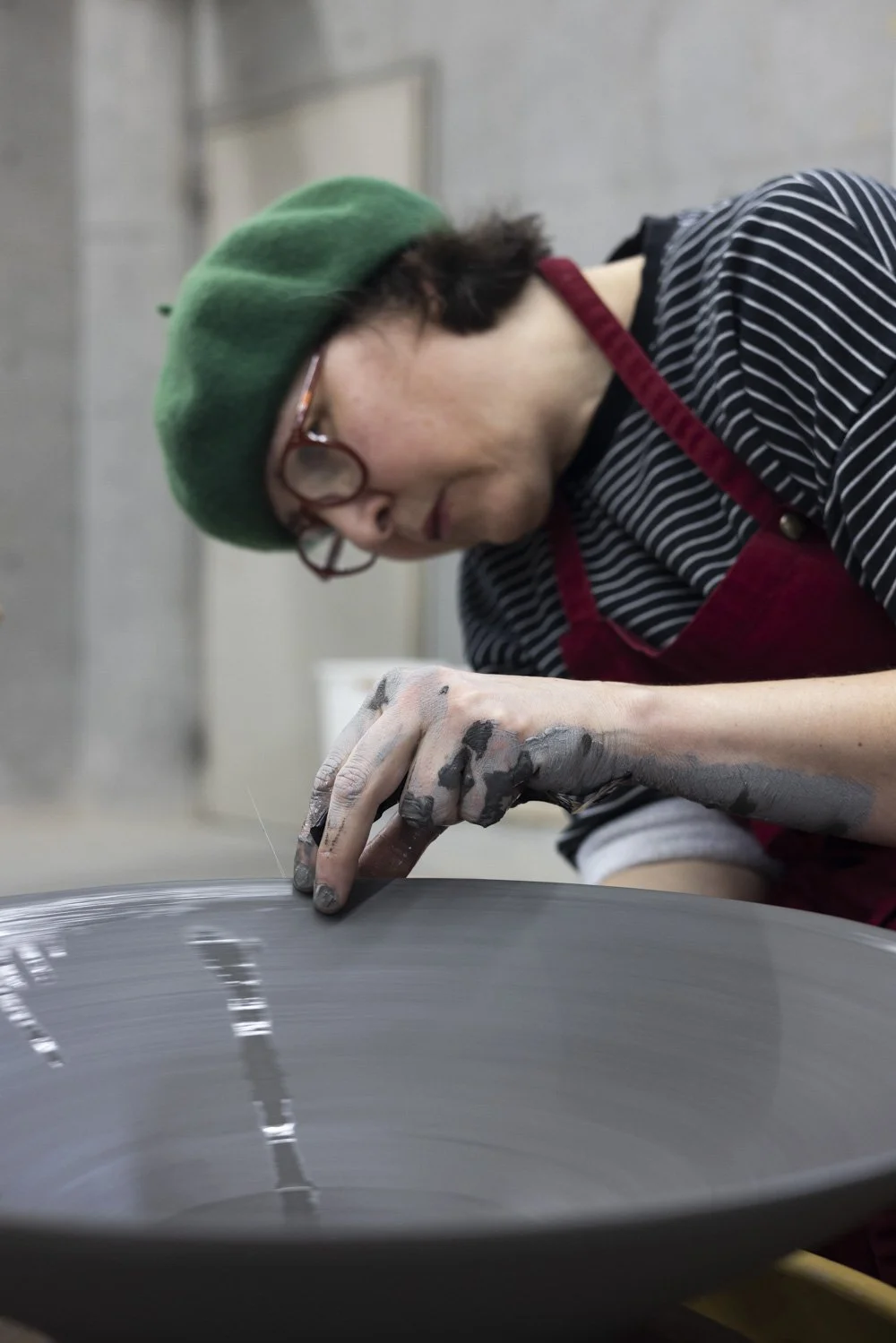
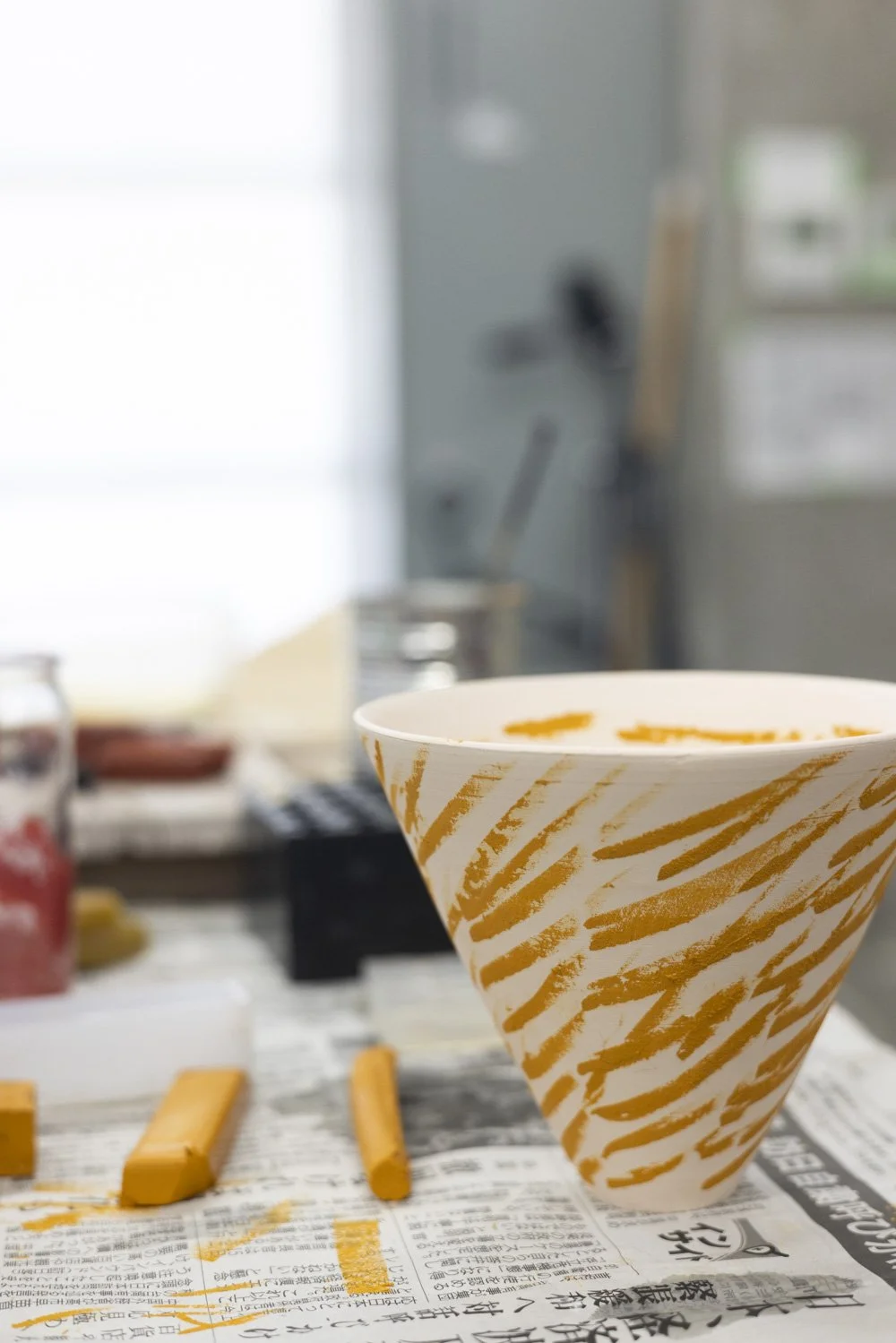
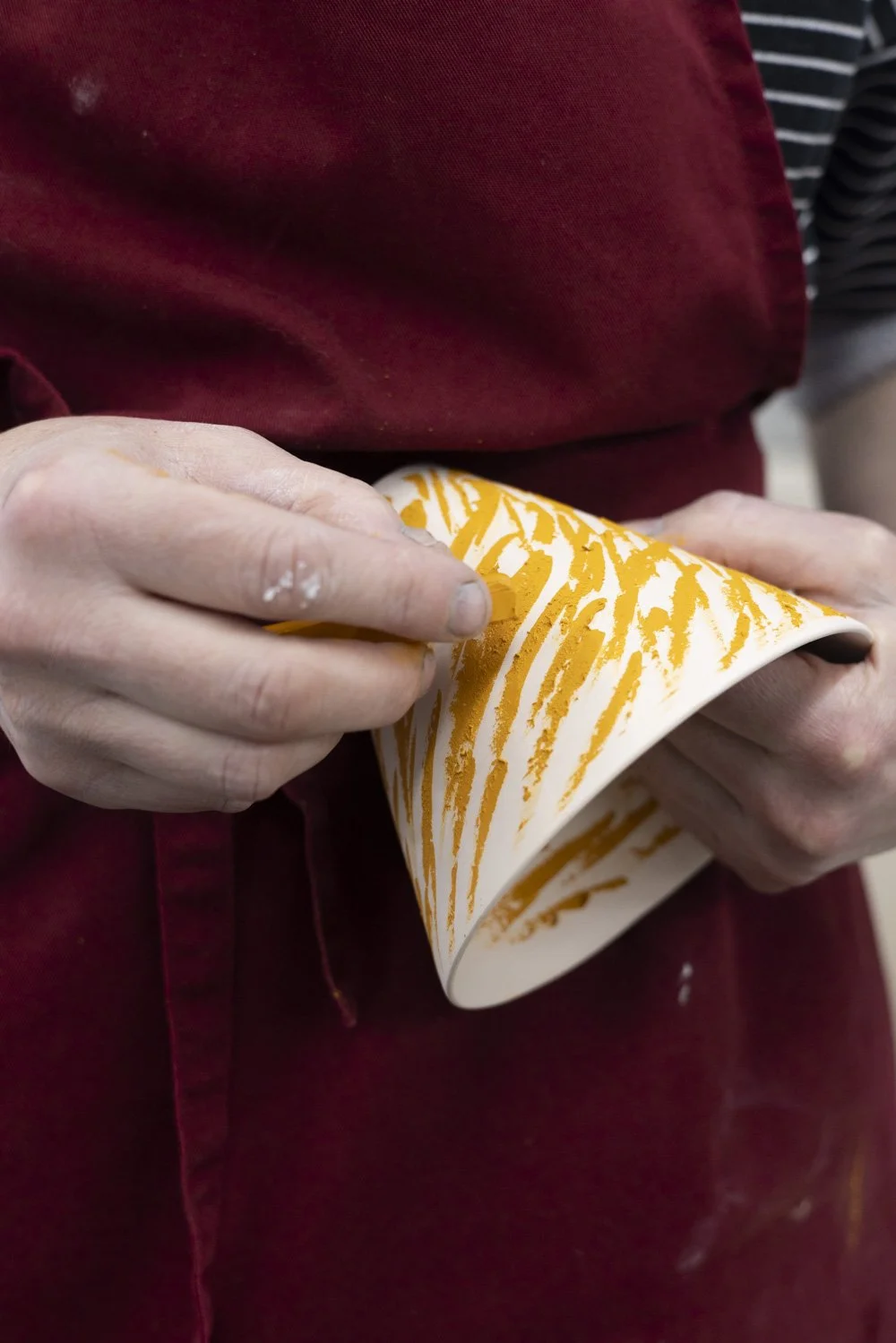
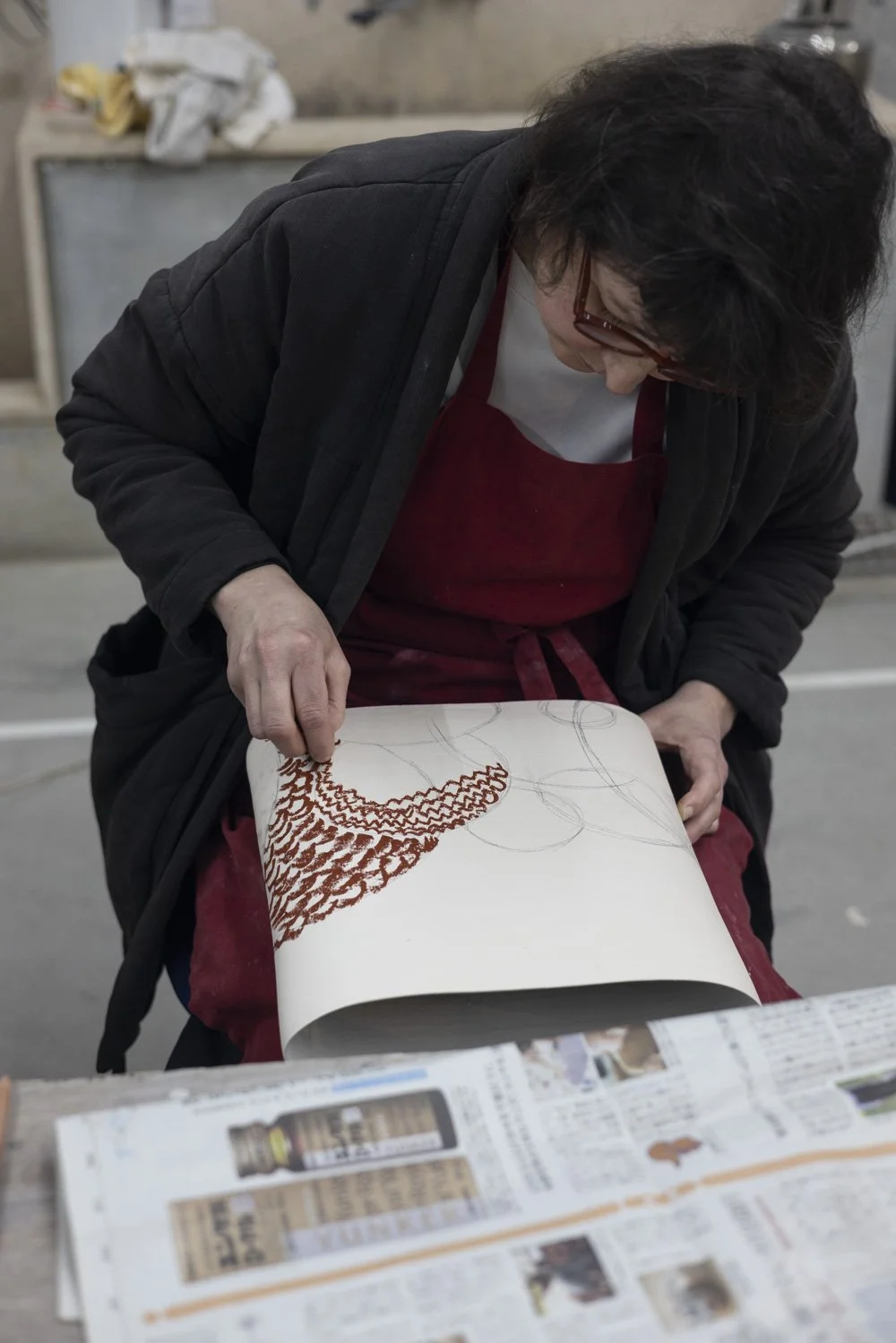
I arrived at the artist residency in Shigaraki with the intention of creating a significant shift in my approach — to reconsider how I make pottery, while also exploring the flow of lines, drawing, and the physical act of making marks. I wanted to challenge my existing habits and open myself to new ways of working.
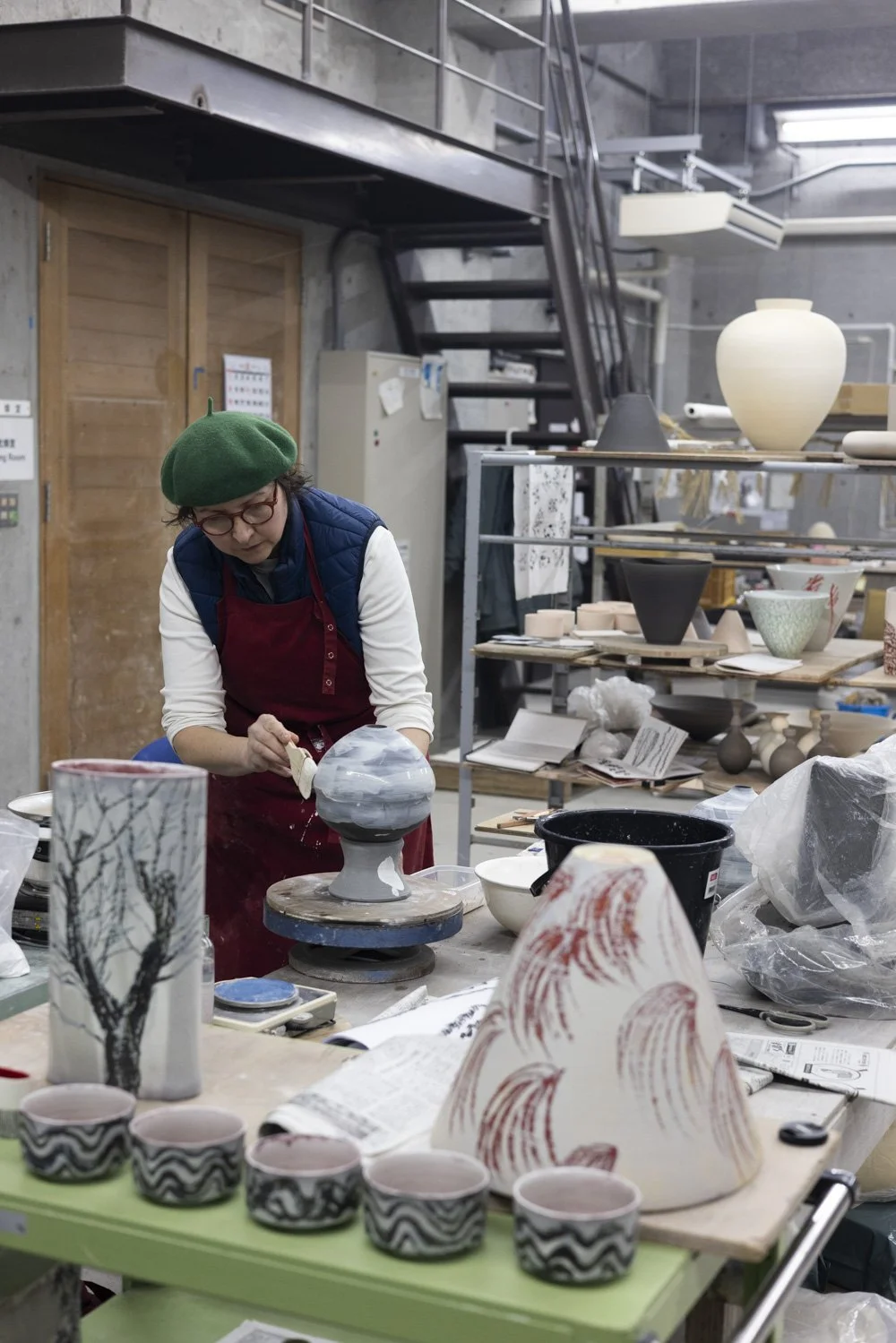
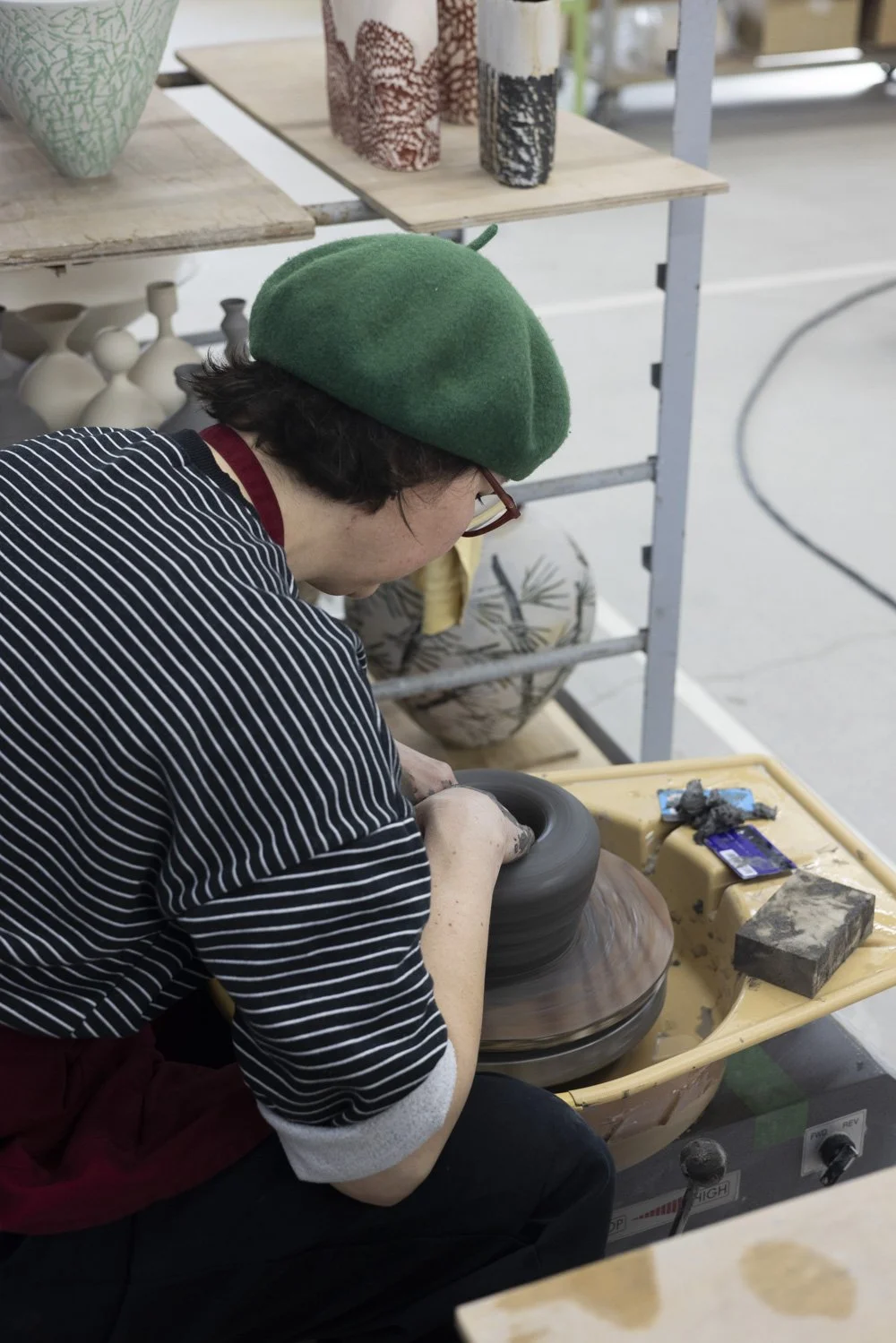
Being away from home, removed from my usual commitments and responsibilities, was an incredibly freeing experience. The residency gave me the rare opportunity to structure my time entirely around observation, research, and making. I was able to work whenever inspiration came, allowing my practice to develop at its own natural pace. My days were spent studying ceramic pieces in the local museum, drawing from the surrounding landscape, photographing the environment, reflecting on what I encountered, and meeting local potters and artists.
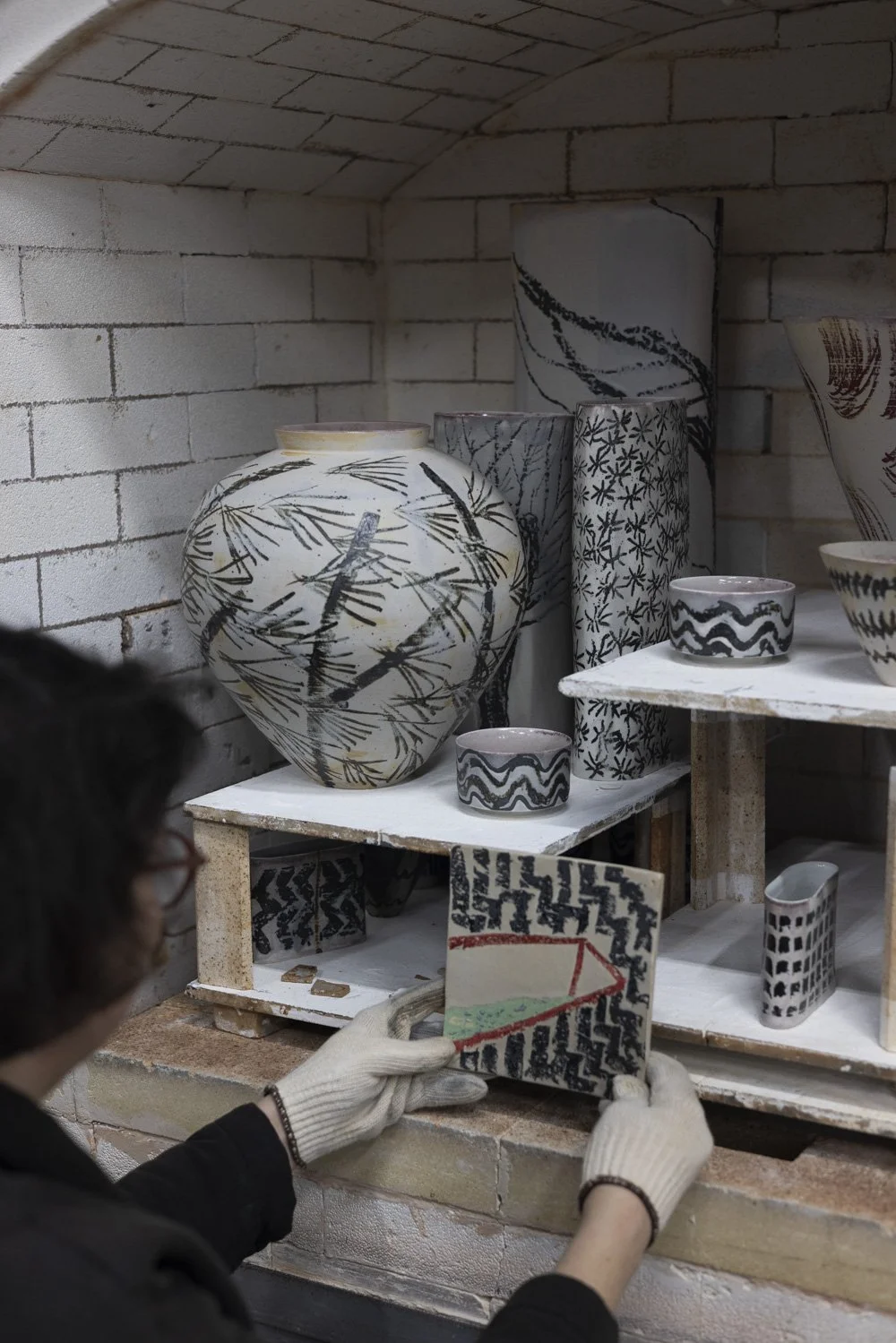
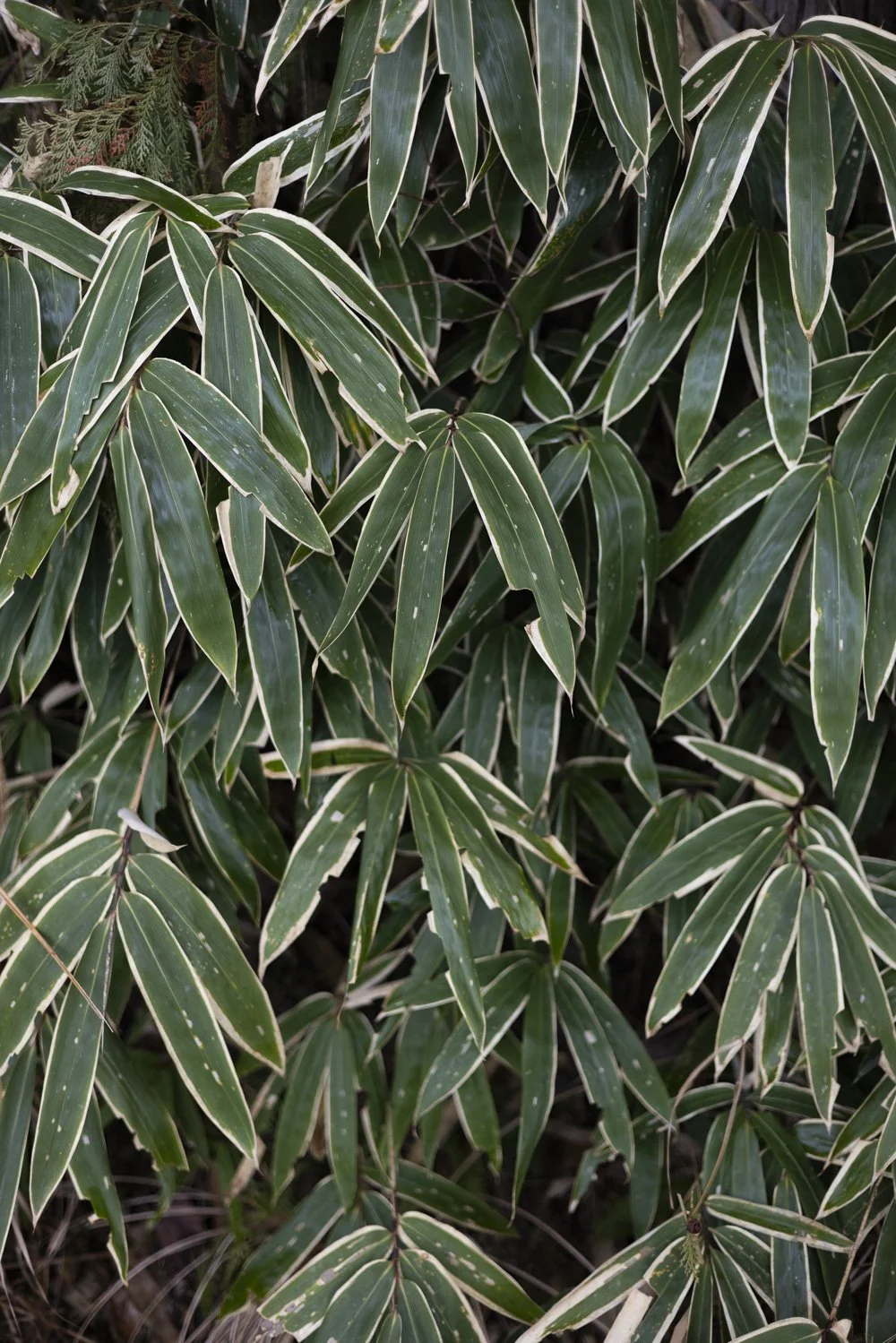
Some days, rather than working in the studio, I simply explored the surrounding villages by bicycle, observing temples, houses, gardens, and the details of everyday life. It was often the smallest and most unexpected things that captured my attention: carefully stacked wood, the delicate arrangement of pine needles, the texture of a bamboo thicket, or the patterns created by natural growth. These quiet observations became sources of inspiration, leading me to think about how these forms, rhythms, and structures could be translated into patterns and marks on my vessels.
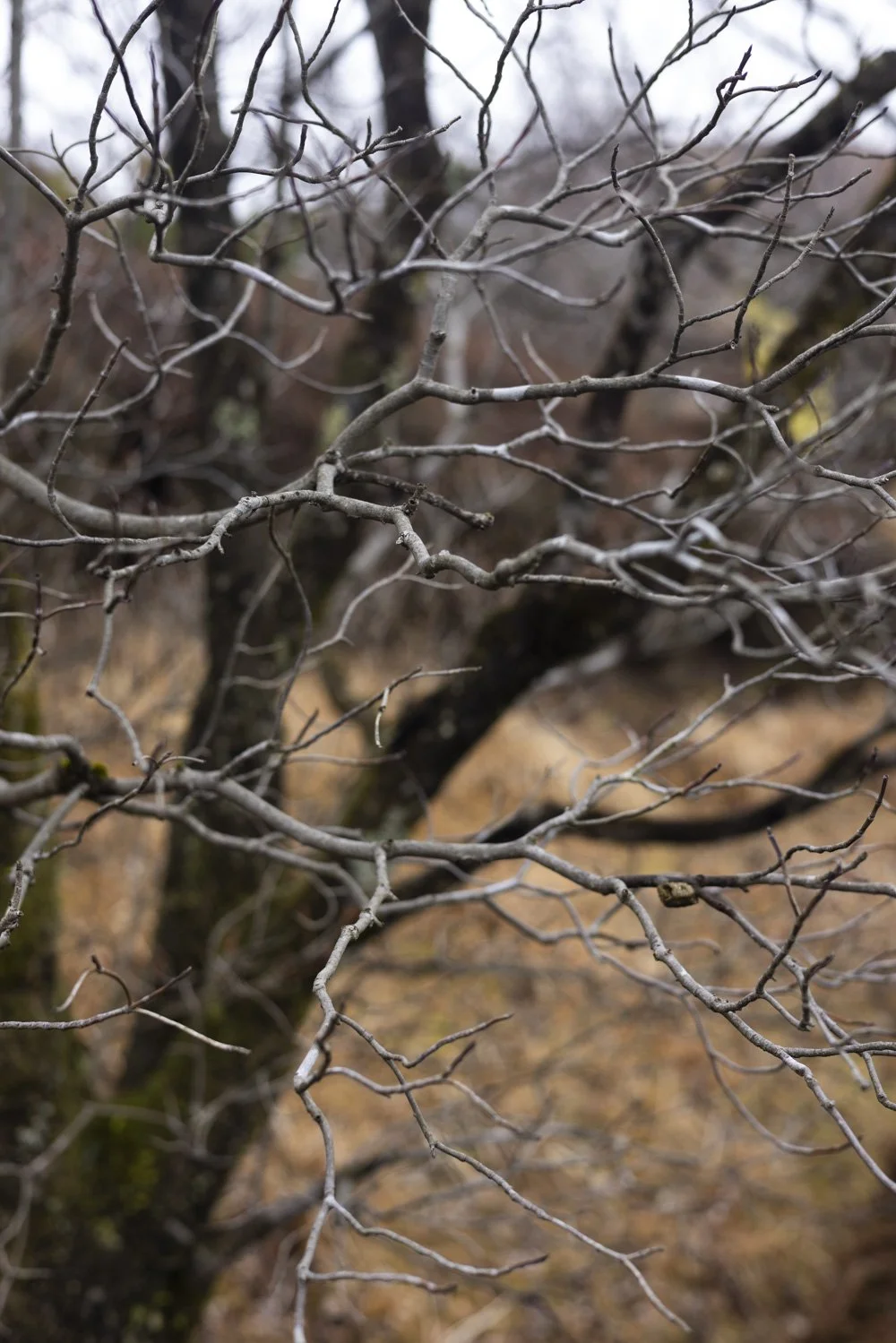
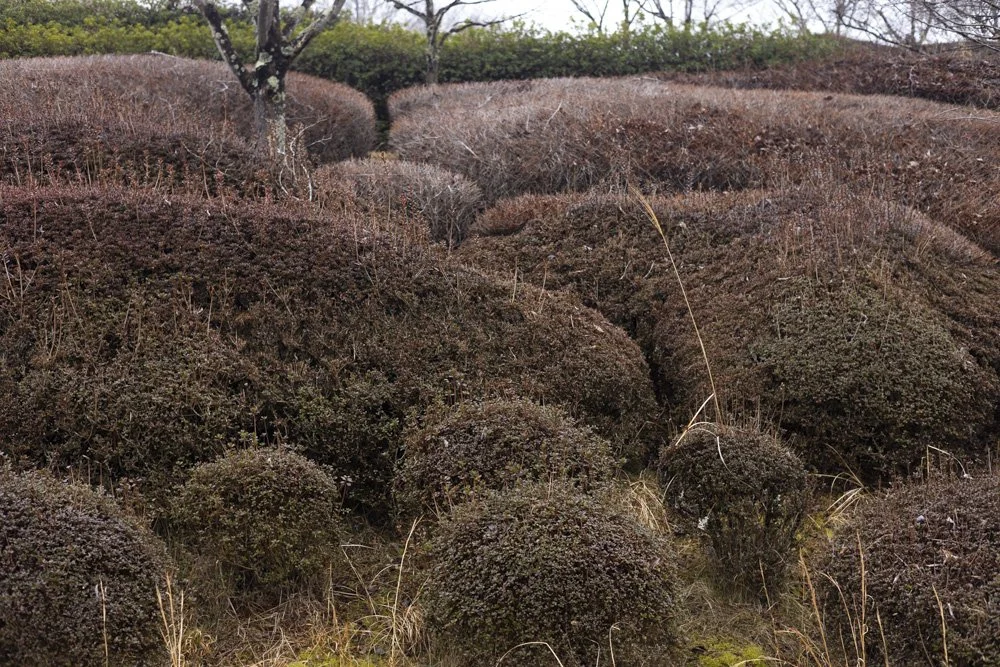
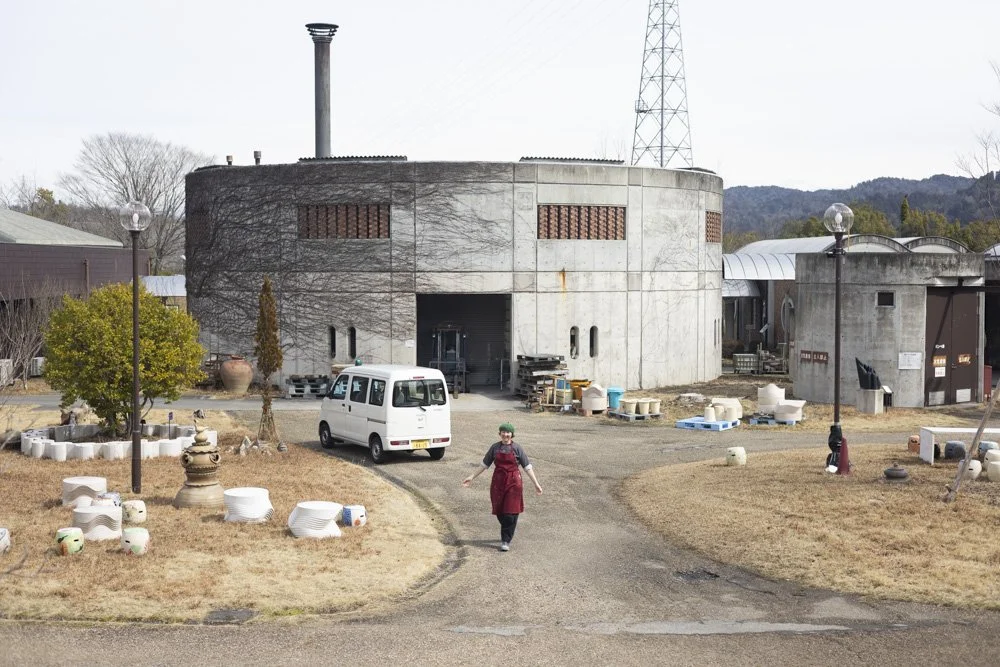
The rural environment of Shigaraki was, in many ways, a surprise and a source of great inspiration. My everyday life in Cambridge is highly organised and planned, with nature often carefully managed and manicured. In Shigaraki, I encountered nature in a more raw and organic form. The tall grasses, wild foliage, bushes, bamboo, and changing landscape became subjects of observation and reflection, inspiring drawings and sketches that captured their movement, rhythms, and forms.
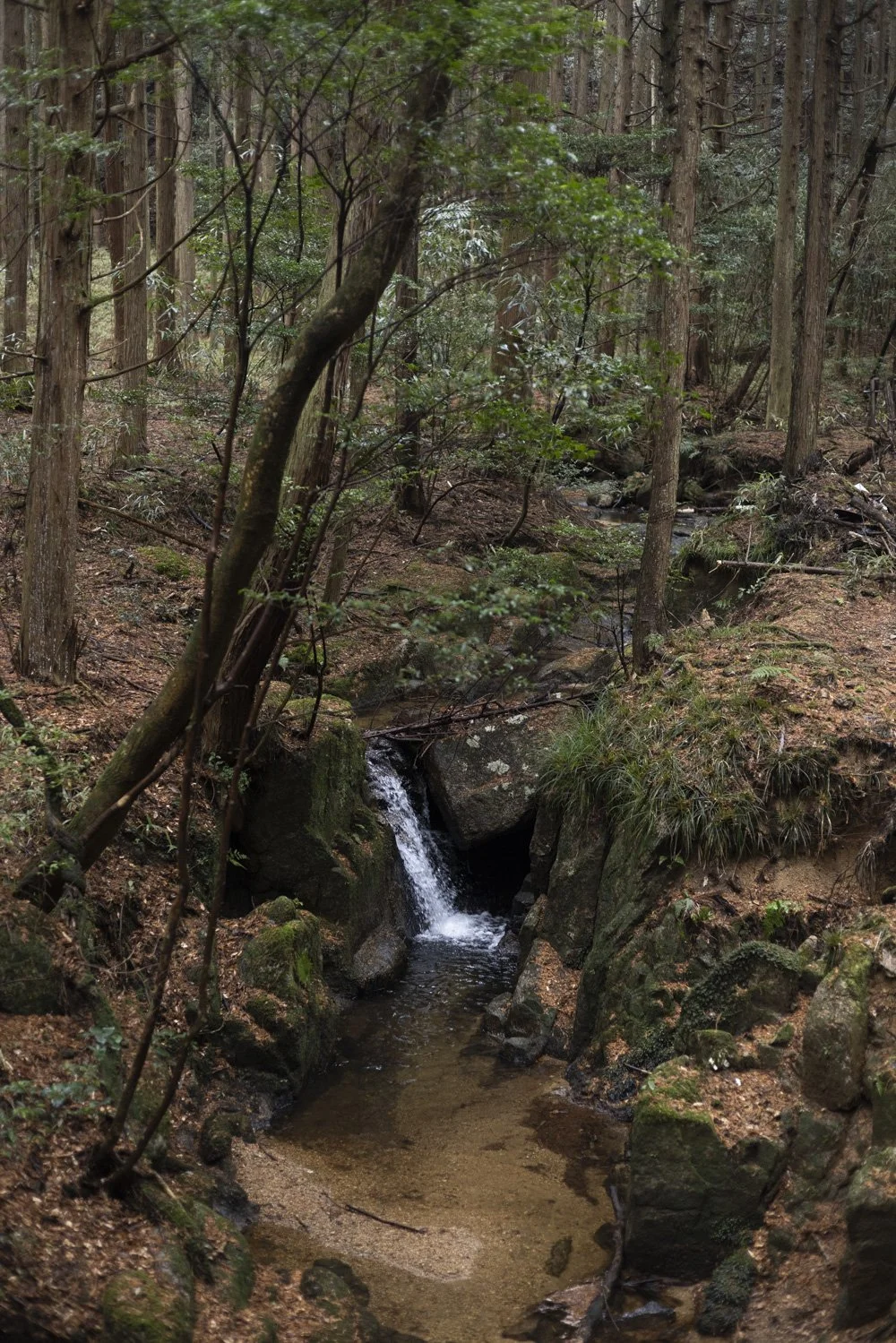
Over the weeks, the theme for my final exhibition gradually revealed itself. It emerged from the view outside my window — a simple but ever-changing landscape composed of many interconnected elements. The water, the sky, the trees, the mountains, the grasses, and the plants came together as an accumulation of forms, colours, textures, and rhythms. This view became a way of understanding the landscape not as a single image, but as a relationship between many individual elements. These observations informed my work and became the foundation for the pieces I created for the exhibition.
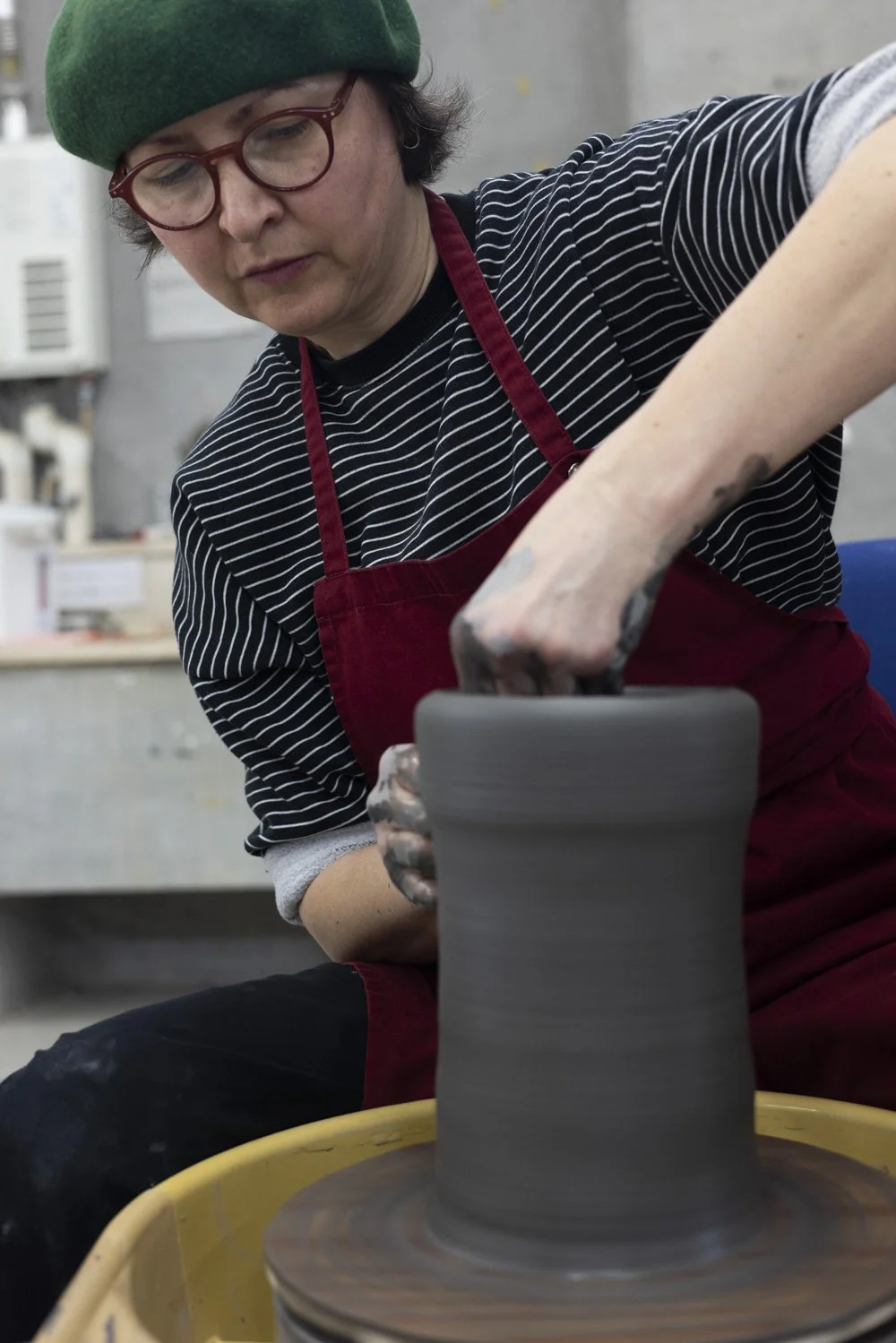
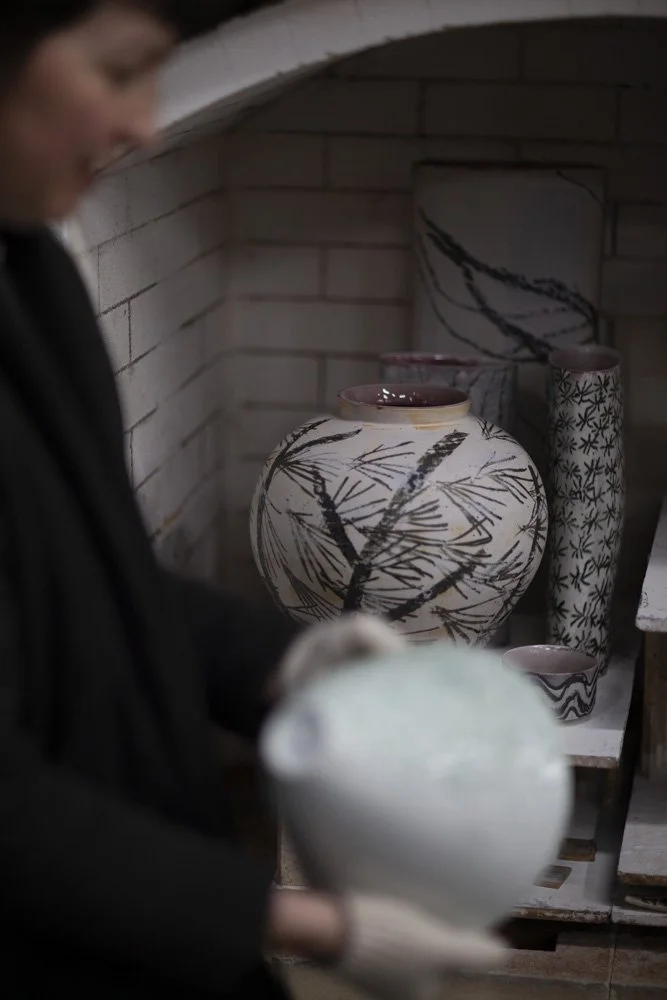
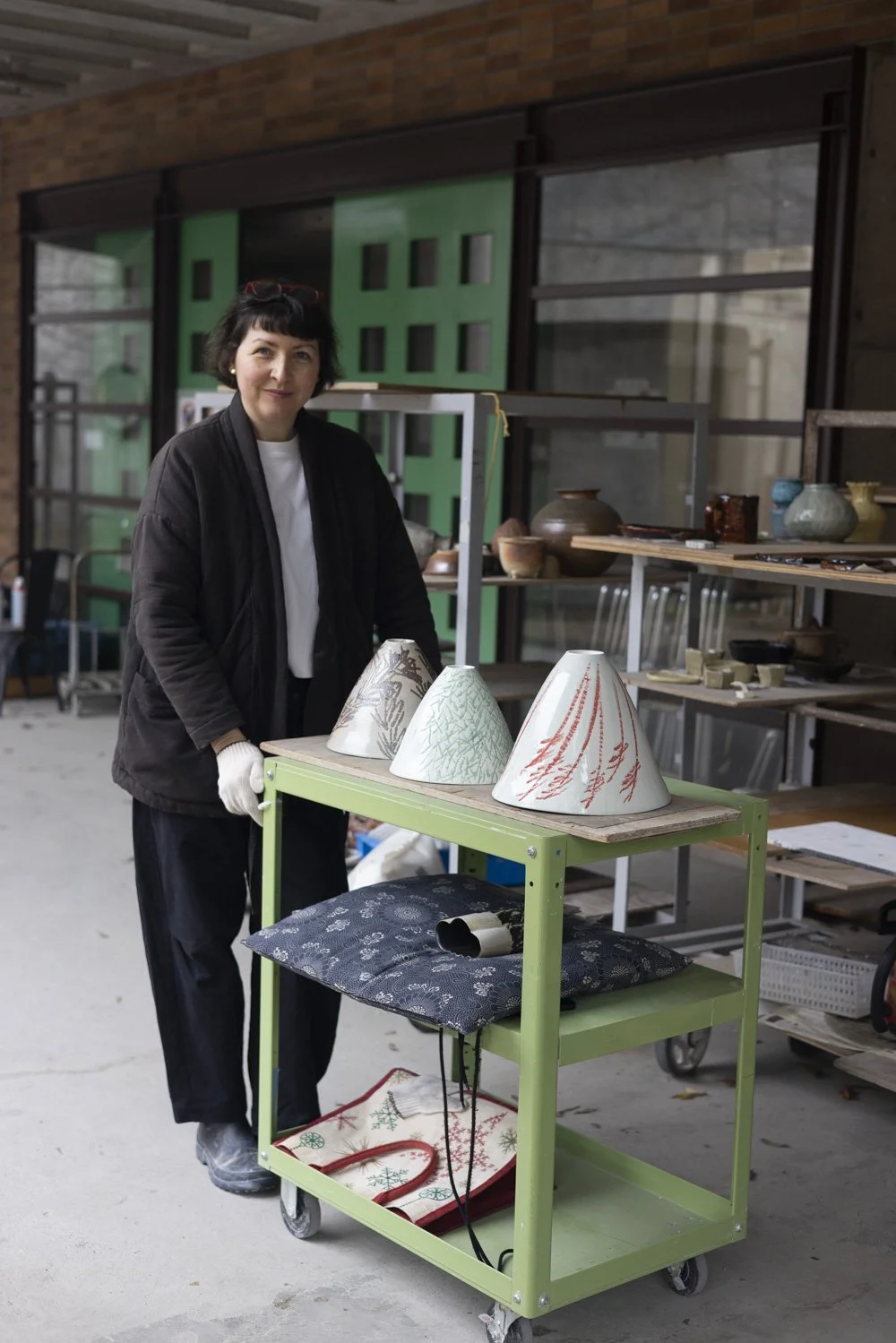
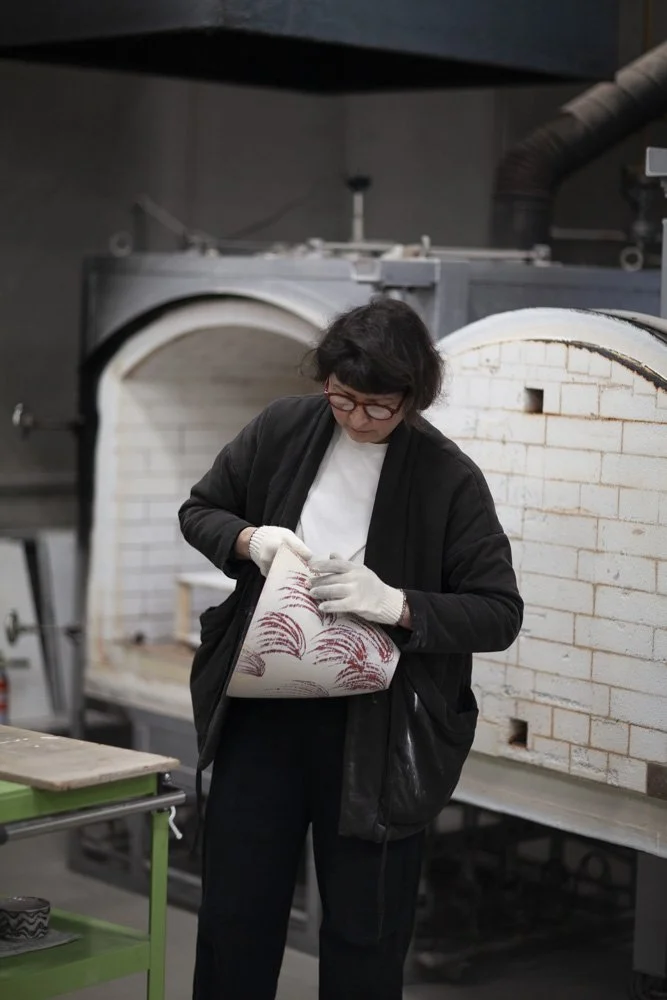
Working with local clay and having the opportunity to fire my work in gas kilns was another important part of the residency experience. This process introduced me to new possibilities within my ceramic practice, and it is something I hope to continue exploring beyond my time in Shigaraki.
Ceramic Culture Park Shigaraki
New WAYS
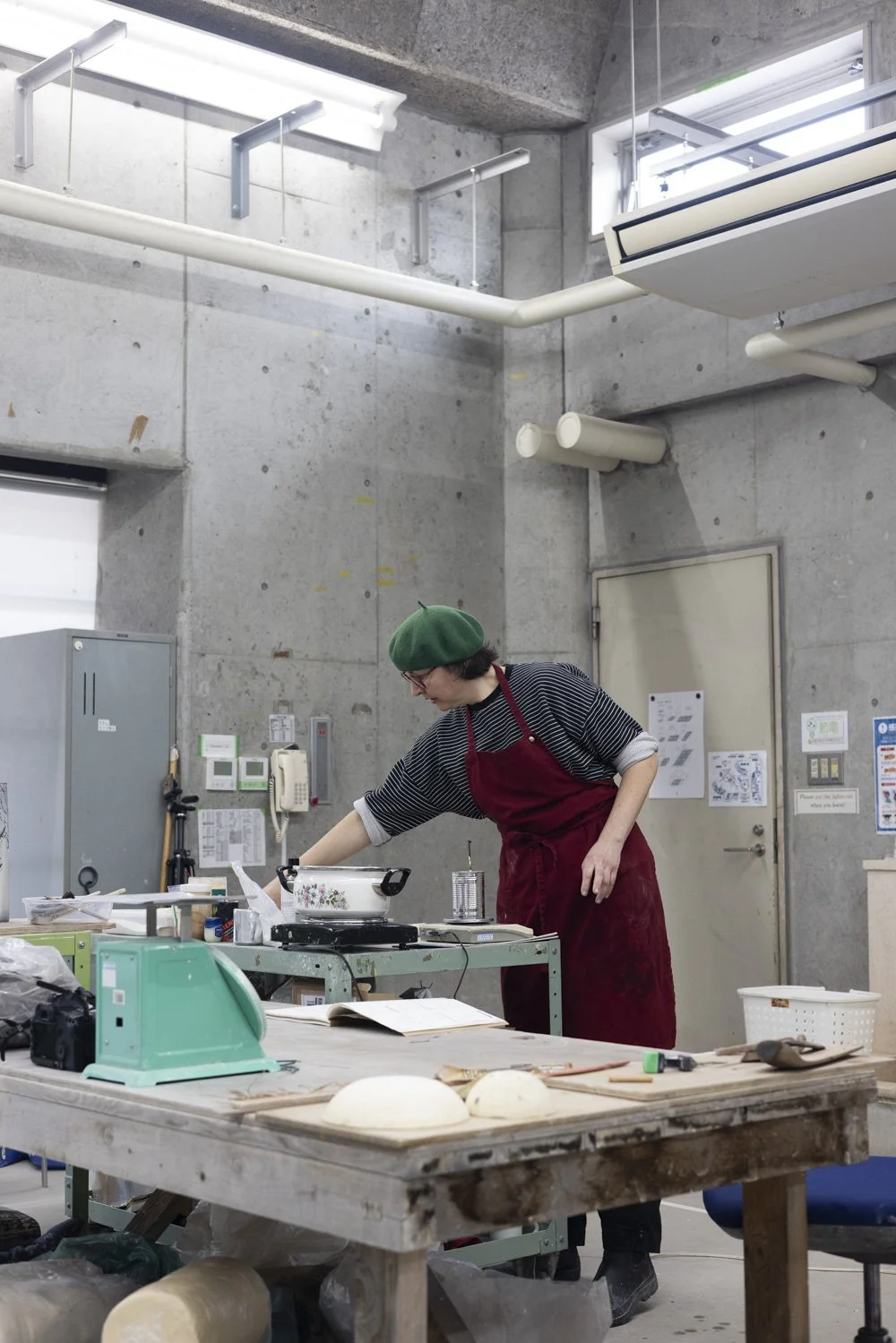
Equally valuable were the conversations and exchanges with my fellow resident artists. The unexpected encounters in the studio, watching others work with the same material but through completely different approaches, were both inspiring and enlightening. Their perspectives, methods, and approaches to working with clay expanded my understanding of the material and significantly influenced my creative process.
The residency became a period of exploration, observation, and transformation. I leave Shigaraki with new questions, new techniques, and a renewed appreciation for the relationship between material, environment, and the act of making. The experience has influenced not only the way I work with clay, but also the way I look, observe, and find meaning in the world around me.